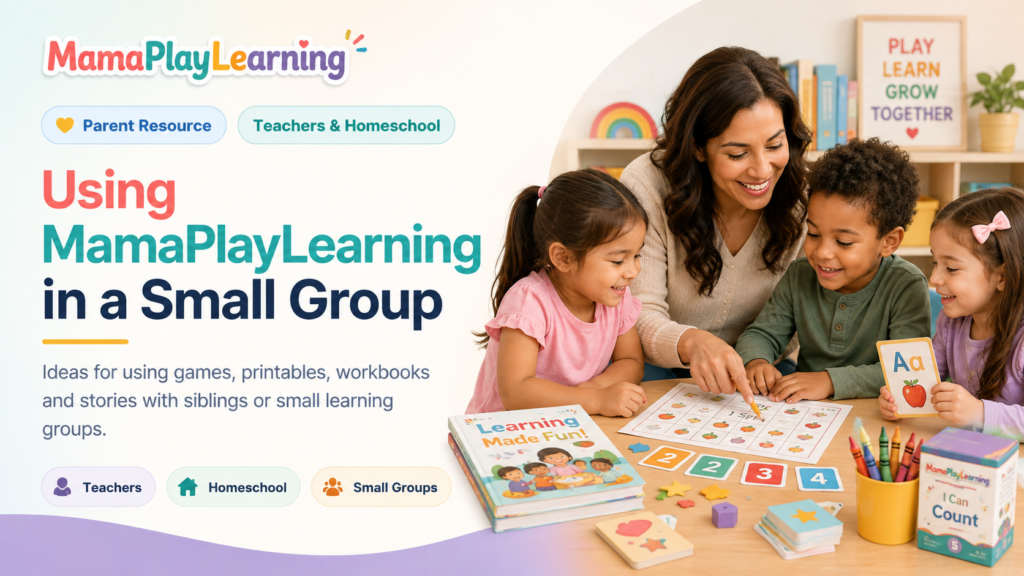
Using MamaPlayLearning in a Small Group
MamaPlayLearning Playful learning for growing minds. Visit MamaPlayLearning Teachers & Homeschool Using MamaPlayLearning in a Small Group Ideas for using […]
Early Learning & Development
“Screen Time That Actually Teaches: What Makes a Game ‘Educational'” — Breaks down the difference between passive screen time and active learning play, positioning your games as intentionally designed vs. generic apps.
“The Toddler Attention Span: Why Short, Focused Games Work Better Than Long Ones” — Explains developmental attention windows for ages 2-5 and how bite-sized play sessions support retention.
“Pre-K Milestones: What Your Child Should Be Learning at Each Age” — A parent-friendly milestone guide (letters, shapes, emotional vocabulary, sequencing) that naturally maps to your game lineup.
Emotional & Social Learning
4. “Naming Feelings Before Managing Them: Why Emotional Vocabulary Comes First” — Ties directly into Feelings Adventure; explains the research behind teaching feeling words as a foundation for self-regulation.
5. “Big Feelings, Small Bodies: Helping Toddlers Through Tantrums Without Shame” — A supportive, non-judgmental piece for parents in the thick of meltdowns.
Literacy & Language
6. “Before the Alphabet Song: Pre-Reading Skills That Actually Matter” — Covers phonemic awareness, letter sounds, and sequencing as reading foundations — connects to Starts With Learning Quest Deluxe and Story Sequencer.
7. “Story Sequencing: Why ‘What Happened Next?’ Builds Real Comprehension” — Explains how sequencing supports memory and logical thinking, not just storytelling.
Creativity & Fine Motor
8. “Messy Play Without the Mess: Digital Creativity Tools for Little Hands” — Frames Magic Sparkle Paint as a way to explore color and creativity without cleanup, while noting the value of real messy play too (balanced, honest framing).
9. “Fine Motor Skills 101: What Dragging, Tapping, and Matching Actually Build” — Ties Shadow Matcher and Pet Rescue Story Quest mechanics to hand-eye coordination development.
For Parents/Caregivers
10. “5-Minute Learning Breaks: Fitting Educational Play Into a Busy Day” — Practical, low-pressure framing for tired parents — positions your games as an easy win, not another to-do.
11. “How to Talk to Your Toddler While They Play (Without Hovering)” — Light co-play guidance that increases engagement time and parent buy-in.
MamaPlayLearning Playful learning for growing minds. Visit MamaPlayLearning Teachers & Homeschool Using MamaPlayLearning in a Small Group Ideas for using […]
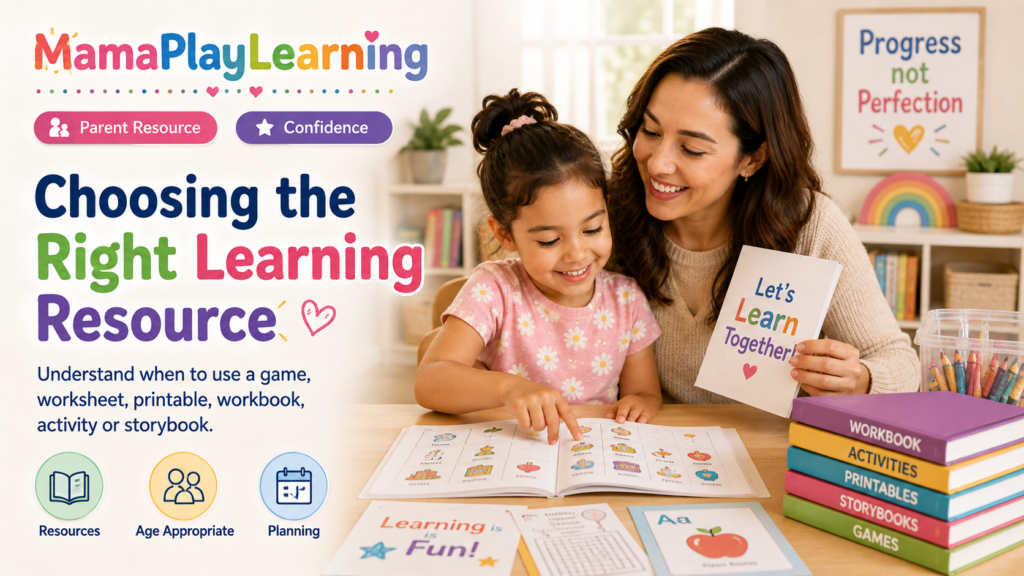
MamaPlayLearning Playful learning for growing minds. Visit MamaPlayLearning Resource Guide Choosing the Right Learning Resource Understand when to use a
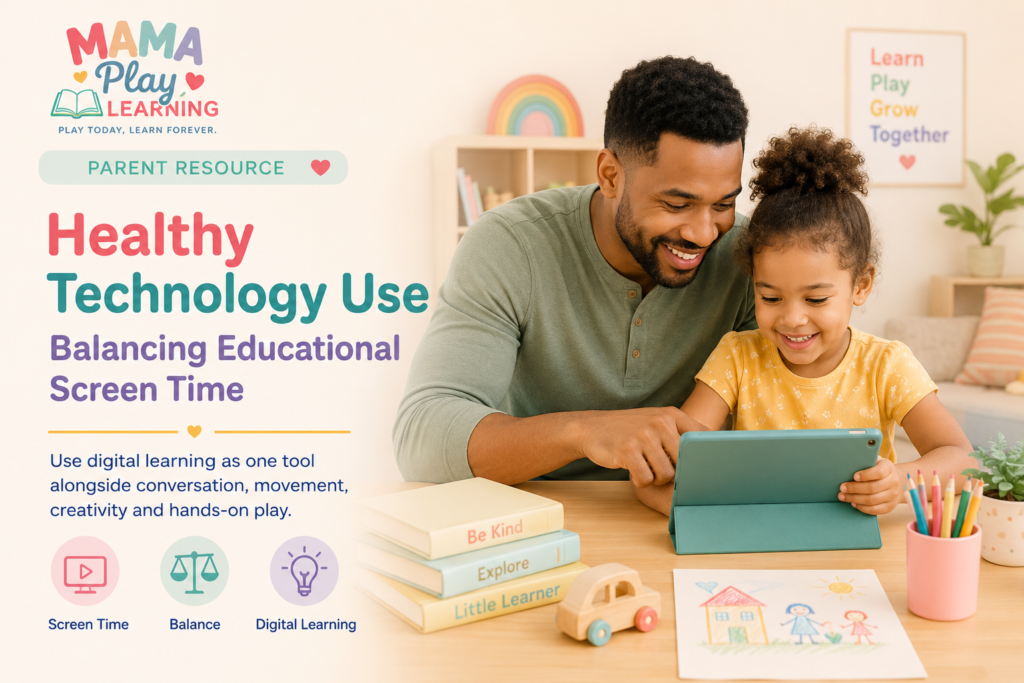
MamaPlayLearning Playful learning for growing minds. Visit MamaPlayLearning Healthy Technology Use Balancing Educational Screen Time Use digital learning as one
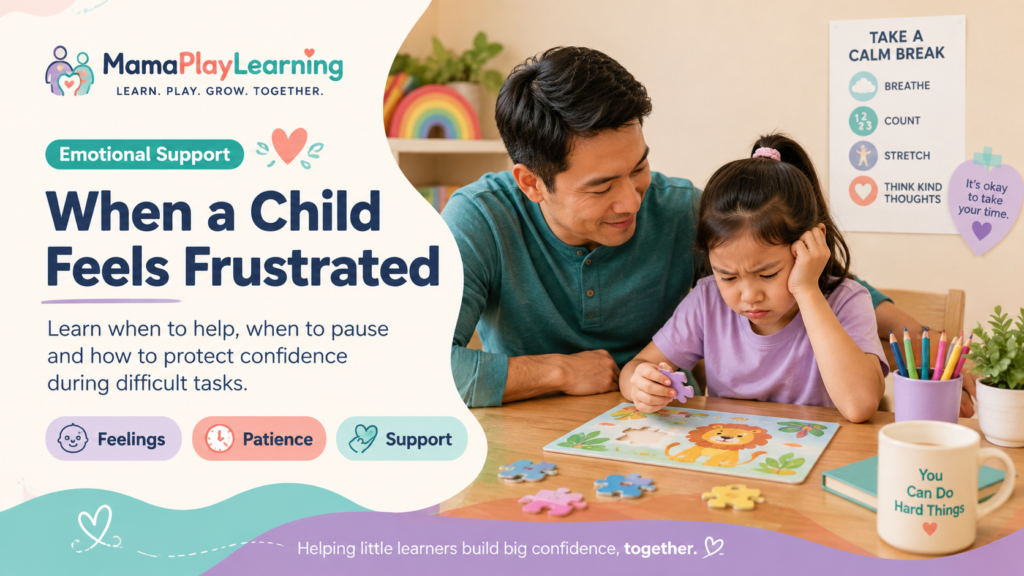
MamaPlayLearning Playful learning for growing minds. Visit MamaPlayLearning Emotional Support When a Child Feels Frustrated Learn when to help, when
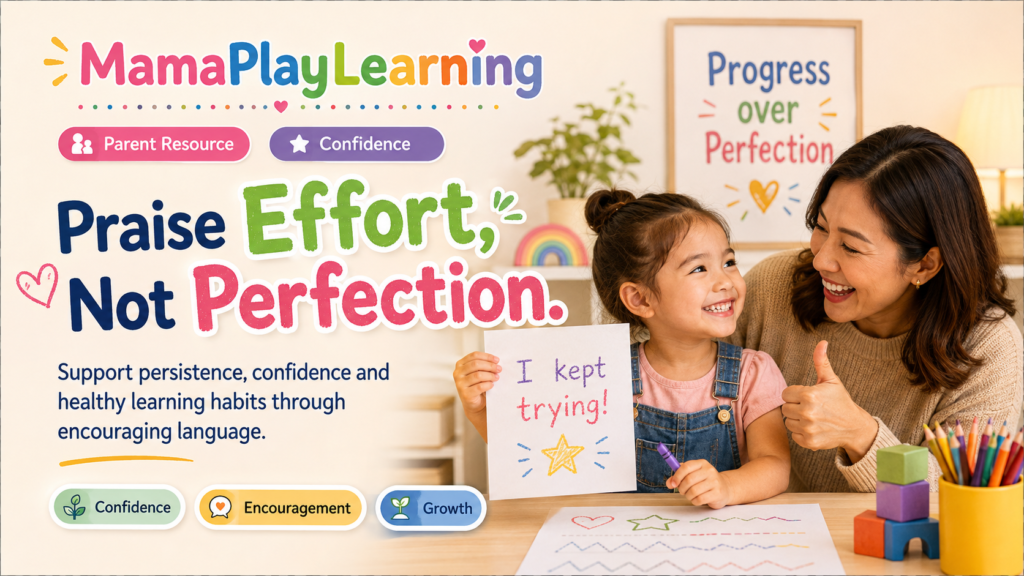
MamaPlayLearning Playful learning for growing minds. Visit MamaPlayLearning Confidence Praise Effort, Not Perfection Support persistence, confidence and healthy learning habits
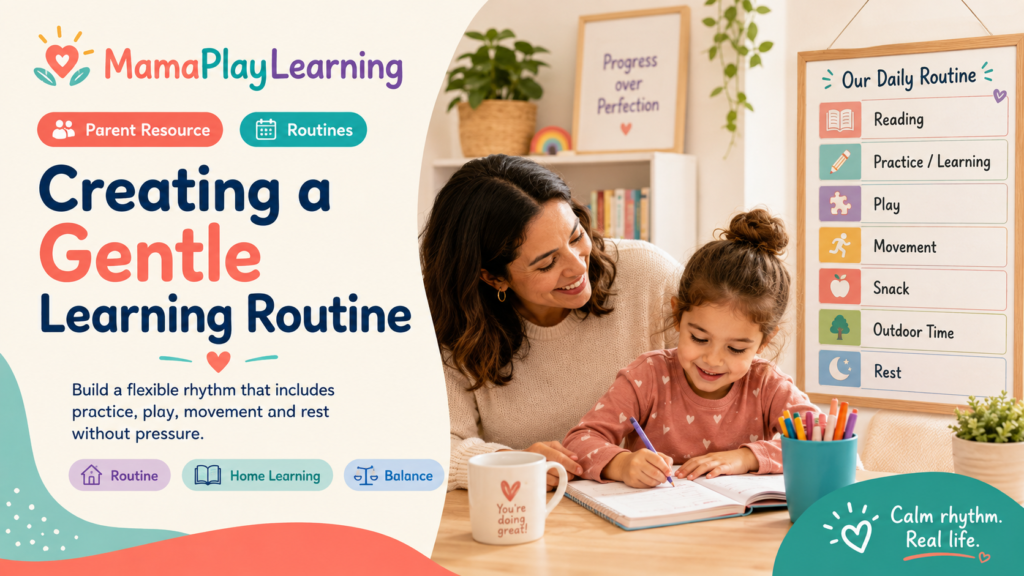
MamaPlayLearning Playful learning for growing minds. Visit MamaPlayLearning Routines Creating a Gentle Learning Routine Build a flexible rhythm that includes
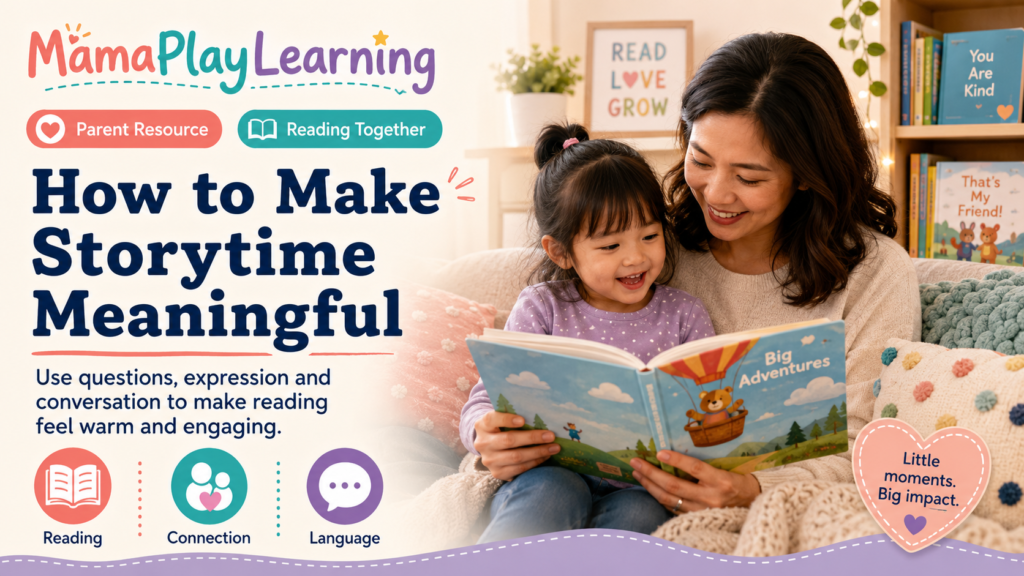
MamaPlayLearning Playful learning for growing minds. Visit MamaPlayLearning Reading Together How to Make Storytime Meaningful Use questions, expression and conversation
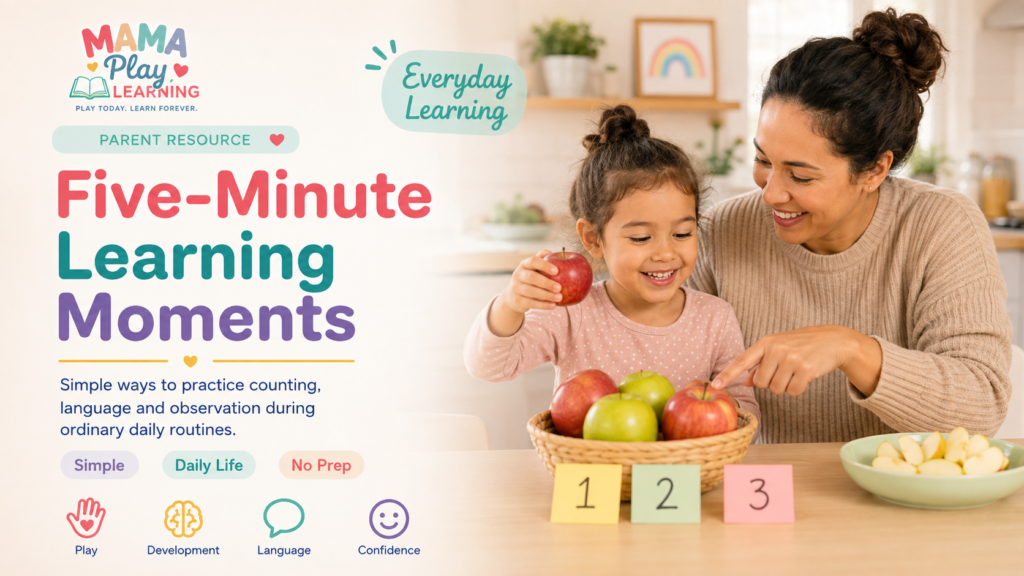
MamaPlayLearning Playful learning for growing minds. Visit MamaPlayLearning Everyday Learning Five-Minute Learning Moments Simple ways to practice counting, language and
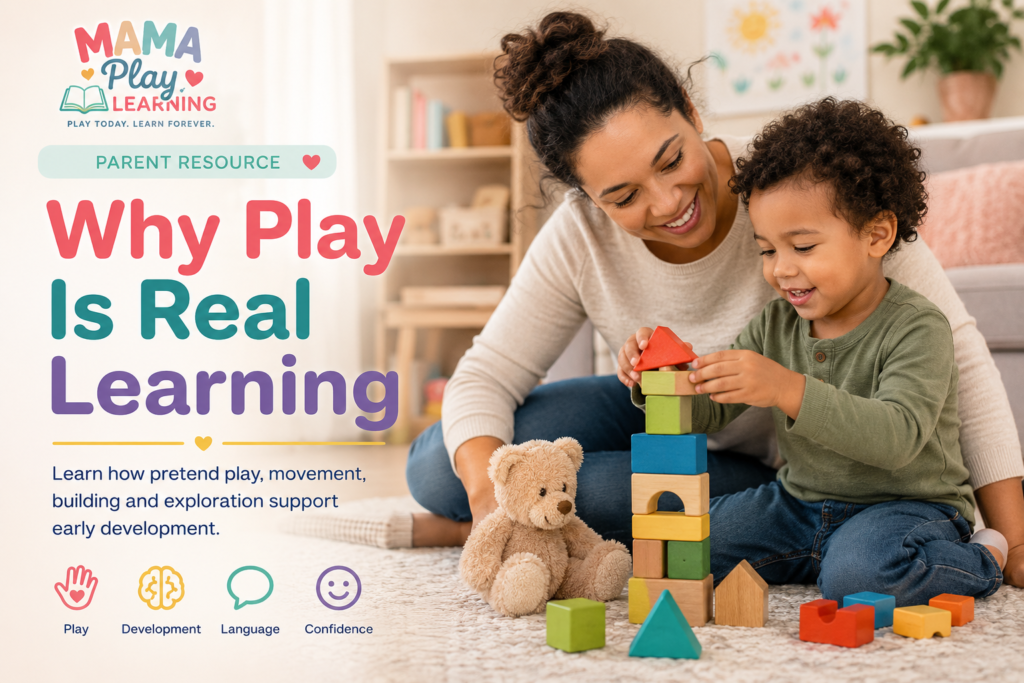
MamaPlayLearning Playful learning for growing minds. Visit MamaPlayLearning Learning Through Play Why Play Is Real Learning Learn how pretend play,